Having A Quality Steak Knife

Having A Quality Steak Knife

If you are a steak lover, then you know how important it is to have a quality steak knife in your kitchen. If you’re food pallet is new to the finer meats, then this article is certainly for you. Please sit back and enjoy as we discuss the wonderful world that is steak knife cutlery. 

What is a steak knife

Quality steak knives

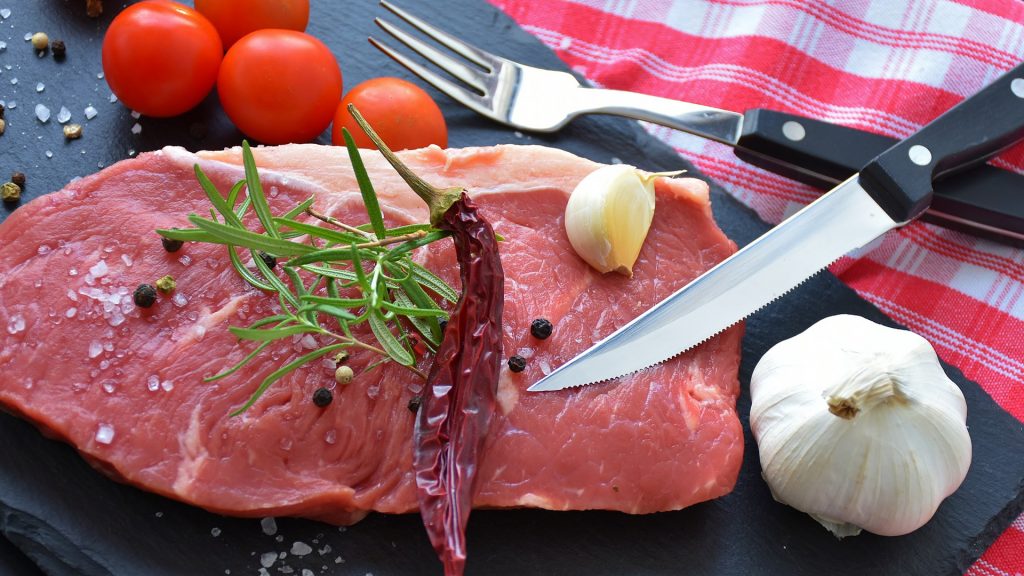
Let’s initially describe what exactly a steak knife is, they are sharp table knives used for cutting steaks as well as other finer meats. They come with either a serrated or straight blade and most often a wooden handle, they are usually the sharpest knife in the kitchen. The main reason steak knives are so popular is that they are the only blade that is sharp enough to cut the finer meats which include steak, beef and chicken. Any real steak lover will know the importance of a quality steak knife and the difference it can make to a savory meal.

Blade

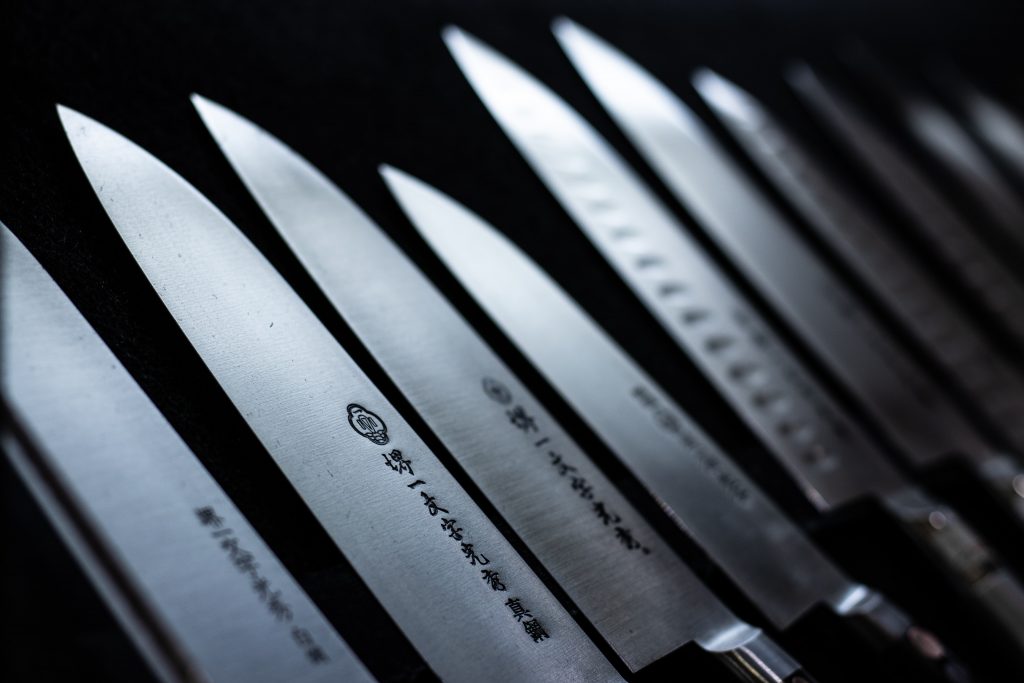
The type of steak knife one uses can make a considerable difference to the quality and taste of the meat. It’s vital that when choosing a steak knife to purchase, the person understands the difference between a serrated and straight blade as this will improve their cutting technique. The straight blade steak knife, as named has a flat blade that is used to achieve a cleaner cut, there are no toothlike edges which can be found on the serrated blade. However, it’s important to mention that the straight blade tends to require a little bit more maintenance and loving attention to maintain the sharp blade. These blades need to be regularly sharpened so it’s important to learn the correct and safe way to sharpen your knives before you make a purchase.

Serrated blades come with toothlike edges that allow a person to tear and rip through tough meat. This knife would be more suitable to a person who likes their steak well done as it will allow them to easily cut through the tough meat. An added advantage to the serrated blade is that it does not require as much maintenance as the straight blade, because of the sharp ridges.

There are also some factors to consider when purchasing a steak knife which include, blade / handle size, balance and material, the combination of these factors can significantly improve the quality of steak knife and of course the meat. You also might consider if you want a dishwasher safe steak knife or not.
Sharp steak knives
Balance

Most people don’t think to consider balance as a deciding factor when purchasing a knife. However, it’s important to consider the proportion of the handle to the blade, whether it’s comfortable to pick up and hold and probably most important, whether the blade leaving the handle is straight.

Size

Blade sizes come in either 5 / 7 inches. When choosing which size, a key piece of information to know is that the smaller blade tends to have a better cutting quality. The shorter blade is more flexible and easier to hold, longer blades are more difficult to hold and don’t always produce the cleanest cut. The shorter blade will also be easier and quicker to sharpen as opposed to the longer blade.

Material

The material of the knife can be a defining factor as most people tend to purchase a blade that is aesthetically pleasing to the eye. Steak knives often come with either a stainless steel handle or a wooden handle. The stainless steel knife will last longer as they are more robust and is of course easier to clean which is why they are a more popular choice of material.

Top quality steak knives

Summary

High quality steak knives also have a tight fit that adds to the overall strength and longevity of the knife. I’m sure we’ve all owned a steak knife that we purchased for cheap and found that weeks later the blade was dislodging from the handle. Spending a bit more money when purchasing a steak knife is a solid investment as it will mean a higher quality steak knife as well as a long-lasting knife. We’re experts you can trust!

Whether you’re having a steak at home or in a restaurant, it’s no ordinary meal. You are fine dining and partaking in a favorable dining experience. The last thing you want is for the dining experience to be ruined because of not having the correct utensils and having to fight with your steak to get a decent bite. The bottom line is that a quality steak knife is an extremely important necessity when fine dining.

How to Sharpen Serrated Steak Knives

How to Sharpen Serrated Steak Knives

How to sharpen a serrated steak knife. A question every steak lover will have thought about when buying and looking after their steak knives. Everyone loves a good, sharp knife. No one, however, loves it more than those who work in the kitchen. A chef’s knife or steak knife can mean the difference between a perfect cut of meat and a hacked up hunk that does not even look appetizing.

Sharpening a straight-edge steak knife blade is a pretty straight forward process. Sharpening a serrated knife, however, can be quite the task if the cook is unfamiliar. Thankfully, there is a process to it that anyone can learn!

What You Will Need

To sharpen a serrated blade steak knife, it requires more than a standard knife sharpener like you find in a good knife set. It requires a tool known as a serrated knife sharpener (now isn’t that easy to remember). These sharpeners, rather than being a single thickness all the way through, are usually tapered to help fit better between different sizes of serration.

These sharpeners can also be made of many different materials. Generally, diamond and carbide sharpeners will be the most aggressive and require the fewest passes. However, for a finer sharpening, the best options are usually ceramic. They will take more time to restore a heavily damaged blade, but they will create a razor-like edge if used properly.

How To Sharpen Serrated Steak Knives

1) Find your beveled edge

Generally, serrated knives will have one side that is flatter than the other. You want to find the less flat side. This is called the bevel. It is important to only sharped the beveled edge – otherwise, you could ruin the cutting surface of the knife.

2) Place the sharpener in the gullet

top rated steak knives

A serrated knife looks something like a mountain range or a saw blade, with high and low points. The gullet is the low point. This is where you want to place your sharpener. You want to try to match the sharpener’s angle with the bevel’s angle as best you can. It is usually a more shallow angle than you may be used to sharpening your knives at – these bevels are usually between thirteen and seventeen degrees, rather than twenty degrees that you would see on a straight blade.

3) Match the Gullet’s Diameter

This is where the taper of the serrated knife sharpening tool comes into play! Adjust the location of the sharpener until it fits perfectly between the serrations on the blade (the serrations are the high points on the knife). It is not bad if it is slightly smaller, but you want as little wiggle room as possible in the gullet!

4) Sharpen the Gullet

Using short, back – and – forth motions, move the sharpener through the gullet. This is the motion you want to use to create the finest edge and keep your knives around for a long time!

5) Check for Burrs

When working with metal, usually you want to avoid creating a burr. Sharpening a serrated knife, however, is a different story. Run your hand over the flatter edge of the knife and see if you can feel any metal shavings. Feeling burrs means that you have sufficiently sharpened your blade!

6) Repeat, Repeat, Repeat

Repeat the first five steps for every serration. Each time, it is important to check for a burr on the flat edge of the knife to make sure you have made it sufficiently sharp.

7) File Away Those Burrs

Those metal shavings that you filed off come back into play now. You want to remove them with fine-grit sandpaper or a high-grit polishing block. These burrs can catch in food, and no one wants to eat metal shavings!

Closing Thoughts

Top quality steak knives

Sharpening a serrated knife can be a time-consuming task, but in the end, it is well worth it! Having a sharp knife can mean the difference a beautiful and well-prepared meal and a time-consuming and laborious process – or worse, an injury! You can also make the job easier and safer by securing the knife in a vice – this is especially important if you choose to use a “home-brew” type of sharpener like placing emory cloth on a dowel rod.


Below are our recommendations for tools on how to sharpen serrated steak knives.

The Best Blade For Your Steak Knives

The Best Blade For Your Steak Knives

Steak is one of America’s signature meals. A thick slice of premium quality beef, grilled or fried, and seasoned. Steak lovers do not go for it in search of a healthy snack. It is the absolute delight of having that beautiful slice on your plate, and you know it’s yours alone. It is about the explosion of pleasure in your mouth when you take a bite of your perfectly cooked steak.

As a steak lover, like us, you cannot talk about cooking or eating steak without mentioning your knives. You eat your steak using knives because, well, the meat is not small and cannot fit at once into your mouth. Also, you may easily make a mess trying to tear it with your teeth. For this reason, one of the things that you can be sure to find in any real American home is a set of steak knives.

There are a good number of knife manufacturers and brands to choose from, designs of handles and other fine details of class and style. But the most important feature is the knife blade. Among the best steak knives, there are two blade types; the serrated blade steak knives and the non serrated blade steak knives. The non serrated are those that have a smooth, straight blade while the serrated knives are those that have ridged blades.

You must know the differences between these different steak knife blades to make a choice that suits you best. There is no perfect choice here. Each has its advantages and drawbacks. 

Pros and cons of the Non Serrated knives

Advantages:

Quality steak knives

One of the advantages of the non serrated knives is its delivery of a very clean-cut piece of meat, leaving you with a beautiful looking piece of steak that preserves the juices in the flesh. It can do this because of the sharp and smooth edge which slices straight through the meat fibre.

Another advantage of the non serrated knives is that they do not require a lot of movement when cutting meat. Because of the smooth edge, it is easy to cut meat in one sweeping down motion, and saving you time.

Your presentation as well on the dining table looks more impressive when you use a straight edge knife. Most of the pictures you find of steak online are usually done with straight-edge knives to present a clean side of the cut steak. 

Disadvantages:

One of the cons of the non-serrated knives is the need for a lot of physical effort when cutting, especially if the steak is a little hard. The blade has to slice through the meat and depends on its sharpness and your strength to do so.

Another disadvantage is the fact that the non serrated steak knives are only practical when very sharp. This need for a sharp blade would not be an issue, but for that, they quickly become dull after every use. You will, therefore, need to sharpen the knives after every use. This constant process can be time-consuming and become boring after a while.

The pros and cons of the Serrated knives

Top chef steak knives

Advantages:

The most significant advantage of the serrated knives is the fact that they do not require as much effort to cut the steak. Serrated blades have ridged edges. This property of these knives enables them to cut through steak and other meats easily. The teeth-like look of the serrated blade catches and rip the flesh as the edge passes through the steak.

Another advantage of the serrated knives is that they do not quickly get blunt, so can be used severally without the need for sharpening; this is because the entire blade does not come in contact with the plate.

Disadvantages:

A disadvantage even of the best serrated steak knives is that the saw-like blades rip and tear the steak, making the juices to spill and hinders your full enjoyment. 

Another disadvantage is that you need to move your hand in a sawing motion to use the serrated steak knives. After all, with teeth like a saw, you can expect to cut like a saw.

Summary:

If you choose to go along with the serrated blades, the best serrated steak knives are those who’s manufacturers have put careful consideration not only in the sharpness of the blade but on the quality of the material used for the handle, which as well determines the overall balance of the knives. There is also the dishwasher safe steak knife options to look into and to make sure it’s made of top quality.

In all, each type of steak knife has its pros and cons, so choose to your liking and for your enjoyment.